Stories · Nomads · 8 min read
Working from a hammock: the honest guide to remote work in Bali and Thailand
The photo is real. So are the power cuts, the visa runs and the 2 am calls. How a season in South East Asia actually works.

South East Asia is where remote work as a lifestyle was invented, in the cafés of Chiang Mai and the villas of Canggu, and it is still the cheapest way to spend a season in coconut country. It also comes with a set of realities that the photos leave out. I have done four seasons between Bali, Koh Lanta and Sri Lanka; this is what I tell friends.
The time zone is the job
Bali is six or seven hours ahead of Central Europe, Thailand five or six. If your clients are European, your working day starts at two in the afternoon and ends at ten or eleven at night. That is fine for a month. For a season it means either a night-owl life or a deliberate shift to asynchronous work. Americans have it worse: their nine to five is your midnight to eight. Plan your calls with the time zone planner before you commit.
Where the internet actually is
Canggu, Ubud, Seminyak, Koh Lanta’s KoHub, Chiang Mai and Sri Lanka’s Weligama have fibre coworkings with generators. Villas advertise 100 megabits and deliver twenty at four in the afternoon when everyone is streaming. Always have a second connection: local SIM cards with unlimited data cost less than a lunch in Europe and are often the faster link. When the power goes, and it will in the rainy season, the coworking’s generator is why you pay for it.
Visas are a rhythm, not a formality
Indonesia lets most visitors in for 30 days, extendable to 60, and has added a remote worker visa for people employed abroad. Thailand’s exemption is generous and the newer long-stay visa allows extended remote-work stays. Sri Lanka runs on an online travel authorisation. All of these change; the rule is to read the embassy page the week you book, not a forum post from two years ago, and to keep the return flight the visa officer will ask about.
What a month costs
A private room in a guesthouse from around 350 euros, a villa with a pool from 900, food from 5 euros a meal at a warung to 15 at a café that knows the word brunch. A scooter, a coworking desk and a SIM add about 200. A comfortable month in Bali or on Koh Lanta lands between 1,200 and 1,800 euros; Sri Lanka slightly less, Palawan less again but with weaker internet. The base comparison puts the current figures side by side.
The rainy season is not a deal-breaker
Bali from December to February rains most afternoons for an hour and then clears. Thailand’s Andaman coast from May to October is wetter and many islands half close, but the Gulf side (Koh Samui, Koh Phangan) has the opposite pattern. Sri Lanka simply switches coasts. The rain seasons are cheaper, greener and emptier; if you work in the afternoons anyway, they cost you nothing.
The hammock, honestly
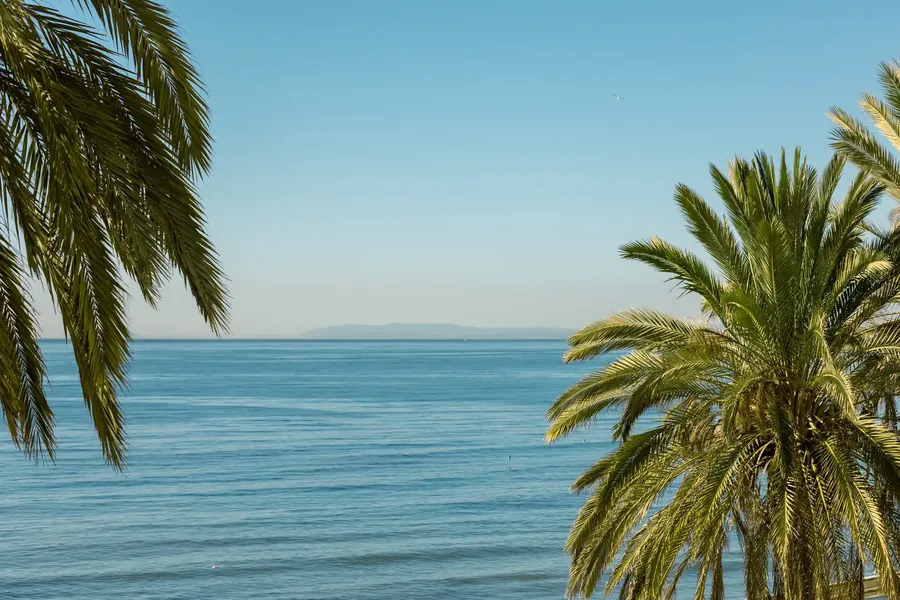
You cannot type in it. Nobody can. What the hammock is for is the hour after you close the laptop, and that hour is the reason the whole thing works: a coconut, the sound of the sea, the palms overhead and nothing due until tomorrow. Protect it. The season goes wrong when the work eats the evenings and the mornings are spent recovering from both.
Keep reading
More from the notebook
Palms · 7 min read
The Palm Belt: where palms grow, and what it tells you about the weather
Palms are picky. Draw a line around the places they survive outdoors and you have drawn a map of where a beach holiday works. This is the map behind everything on Palmiana.

Nomads · 8 min read
Choosing your first sunny base as a digital nomad
Wifi, visas, cost and the people you will meet. The honest checklist for picking a warm place to work from for a month or a season.

Families · 6 min read
How to pick a beach for small children
Shade, shallow water, a lifeguard and a toilet within a hundred metres. The five things that matter more than white sand, and the palm destinations that have them.