Europe · Spain
Mallorca
Two hours from most of Europe and palms on every promenade.
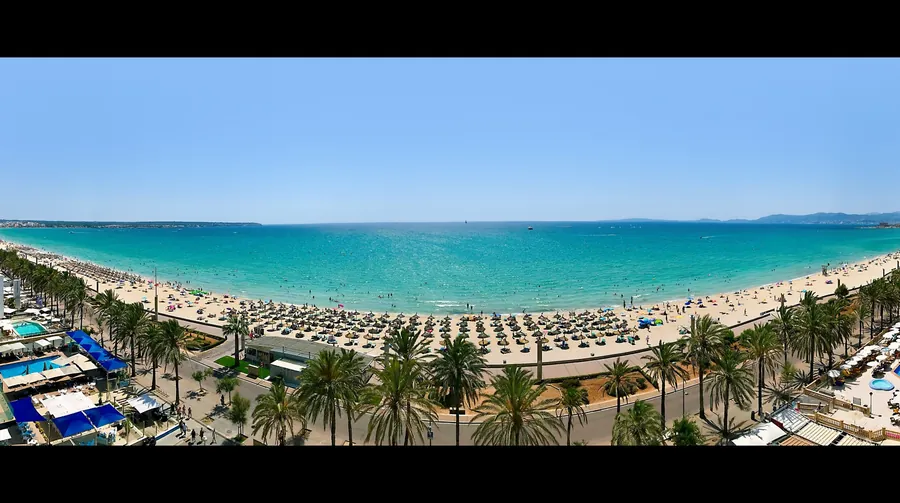
Mallorca is the island most of Europe learns to swim on, and it deserves better than its reputation. Beyond the resorts there is a Gothic cathedral that glows at sunset, a mountain range with stone villages and terraces of oranges, and more than two hundred beaches, from party sand to coves you reach on foot. Palms line every seafront, and the light from September onwards is the softest in the Mediterranean.
The palm: Canary Island date palm
The fat-trunked palms along the Passeig Marítim and in front of the cathedral are Phoenix canariensis, planted in the 19th century when Palma turned its sea walls into a promenade. In the villages you will see the smaller Chamaerops humilis, the only palm native to the Balearics, growing wild on dry hillsides.
When to go
Sights
La Seu cathedral
Gaudí rearranged the interior, Miquel Barceló added a ceramic chapel, and the rose window throws a second window of light onto the wall twice a year, on 2 February and 11 November.
Sóller and its train
A 1912 wooden train from Palma through thirteen tunnels to a valley of orange groves, then a tram to the harbour.
Serra de Tramuntana
A UNESCO landscape of dry stone terraces, with Deià, Valldemossa and the hairpin road to Sa Calobra.
Cap de Formentor
The island’s northern tip, a road along the cliffs and a lighthouse at the end of it. Go before nine or after six in summer.
Beaches
Es Trenc
Three kilometres of white sand and dunes with no hotels behind it. Car parks fill by eleven in July.
Cala Mondragó
Two small coves inside a nature park, pines to the waterline, calm water and a beach bar.
Playa de Muro
The family beach of the north, long, shallow and backed by a palm promenade at the Alcúdia end.
Events
- Jun
Sant Joan bonfires
Midsummer night on the beaches of Palma and Alcúdia, fires, fireworks and a swim at midnight.
- Sep
Nit de l’Art
One September evening when Palma’s galleries and palaces open late and the old town becomes one long opening party.
- Feb
Almond blossom
Early February turns the plains around Santa Maria and Sóller white and pink for three weeks.
For remote workers
A comfortable month: about €2,200
Palma has fibre almost everywhere, a dozen coworking spaces and a winter population of remote workers who come for the cycling and the light. Spain’s digital nomad visa covers non-EU citizens for up to five years. Rents in the old town climb steeply from May, so book long stays for October to April.
Compare as a baseFor families
Playa de Muro and Es Trenc have water so shallow that toddlers can wade out for fifty metres. Lifeguards are on duty from June to September on all the main beaches, hospitals are excellent and the vintage train to Sóller is a full day out for under twelves.
Rank for your familyThree things to know
- Fly into Palma and rent a car for at least three days; buses are fine for the coast but the mountains need wheels.
- Restaurants in Palma serve lunch until four. Eat then, and take the beach in the late afternoon when the wind drops.
- The first half of October still has sea water at 22 degrees and half the visitors of August.
Stories from here
Families · 6 min read
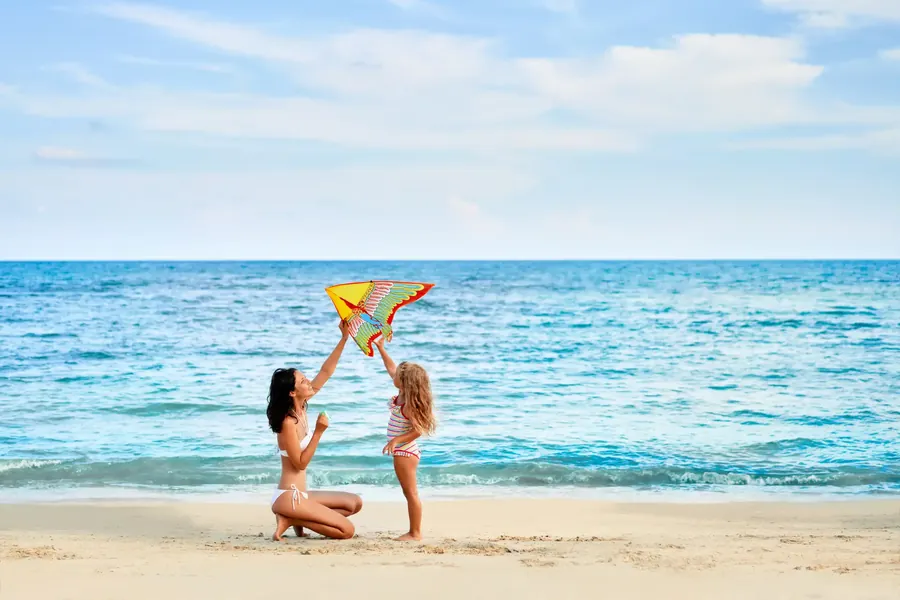
How to pick a beach for small children
Shade, shallow water, a lifeguard and a toilet within a hundred metres. The five things that matter more than white sand, and the palm destinations that have them.
Planning · 9 min read
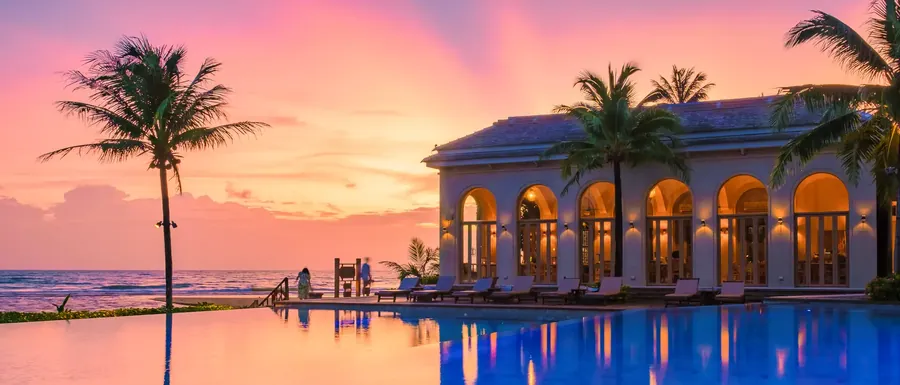
The twelve month sun planner
Where to go for reliable warmth in each month of the year, from the Canaries in January to the Riviera in September.
Palms · 6 min read
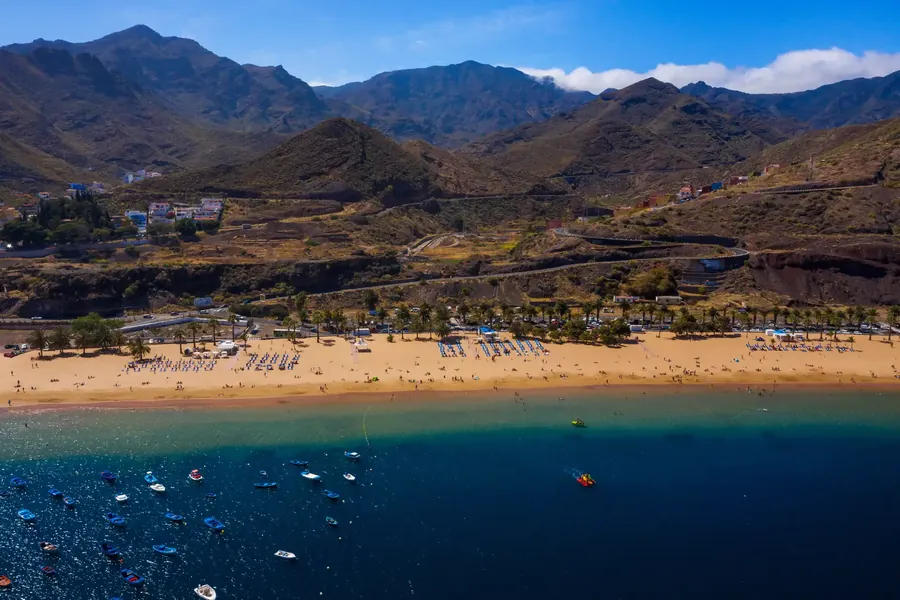
Europe’s palm groves: sun without the long flight
Elche, Vai, the Riviera, the Canaries. The corners of Europe where palms grow in numbers, and why they are the easiest warm holidays on the map.