Europe · Spain
Málaga & the Costa del Sol
Three hundred sunny days, a city that woke up, and winter afternoons at 18 degrees.
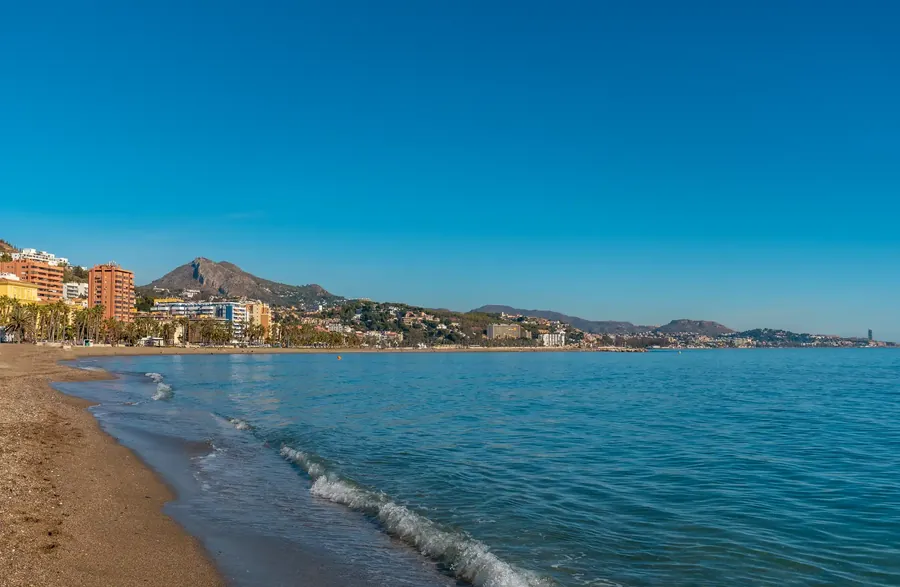
Málaga was the airport you flew into for somewhere else. That changed. The port became a promenade, the old town filled with museums and rooftop bars, and the city beach turned out to be a perfectly good beach. West along the coast, the resorts of the Costa del Sol run from Torremolinos to Marbella, all of them palm-lined and all of them warm enough for a February lunch outside.
The palm: Mexican fan palm
The tall thin palms on the Paseo del Parque and along La Malagueta are Washingtonia robusta, which love the dry heat. Under them the park holds one of Europe’s best collections of subtropical plants, planted in 1897 from cuttings the port brought in from the Americas.
When to go
Sights
Alcazaba and Gibralfaro
A Moorish palace on the hill above the Roman theatre, with a walk up to the castle for the view over the port.
Picasso Museum
Picasso was born three streets away. The museum in the Buenavista palace holds the family collection.
Centre Pompidou Málaga
The coloured glass cube on the port, the first Pompidou outside France.
Nerja and Frigiliana
An hour east: caves, the Balcony of Europe and a white village stacked up a hill.
Beaches
La Malagueta
The city beach, palms, beach bars and the port at one end. Busy, shallow, easy.
Playa de la Carihuela
Torremolinos’ old fishing quarter, still the best place on the coast for grilled fish on the sand.
Playa de Burriana, Nerja
A sheltered bay below the cliffs with paddle boards, kayaks and the best paella on the coast at Ayo.
Events
- Aug
Feria de Málaga
Nine days in mid August, flamenco dresses in the streets by day and a fairground by night.
- Mar
Málaga Film Festival
Spanish-language cinema takes over the Cervantes theatre and the red carpet runs down Calle Larios.
- Apr
Semana Santa
Holy Week processions carry two-tonne thrones through the old town to brass bands.
For remote workers
A comfortable month: about €1,900
Málaga has become the tech city of southern Spain, with a cluster of international offices, fast fibre and coworking from the old town to the port. Winter is the sweet spot: 18 degrees at lunch, cheap monthly rentals and a train to Seville in under two hours. The Spanish digital nomad visa applies here too.
Compare as a baseFor families
The city beaches are calm and shallow, and the chiringuitos grill sardines on the sand. Further west, Fuengirola has a zoo built around a rainforest walk, and Nerja’s caves and coves are the best day trip for children who are done with sand.
Rank for your familyThree things to know
- Stay in the city and day-trip to the coast by train; the Cercanías line runs from the airport to Fuengirola every twenty minutes.
- Order espetos, sardines grilled on a cane over driftwood fires, at any beach bar with a boat full of coals outside.
- Winter sun works here: January averages 17 degrees and the terraces are open, but bring a jacket for the evenings.
Stories from here

Nomads · 8 min read
Choosing your first sunny base as a digital nomad
Wifi, visas, cost and the people you will meet. The honest checklist for picking a warm place to work from for a month or a season.