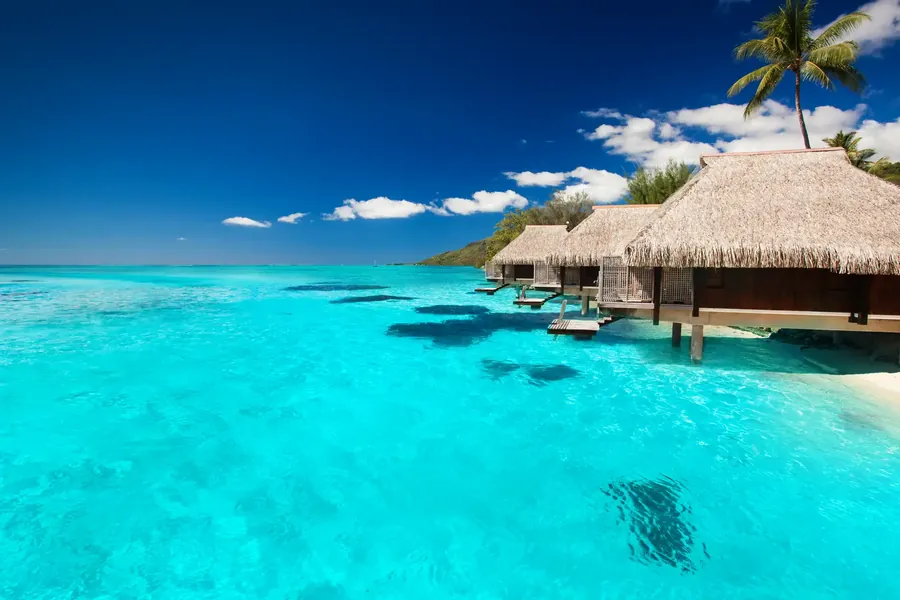
Asia · Maldives
Maldives
A thousand coconut islands on a lagoon, from guesthouse budgets to overwater villas.
Twenty-six atolls of coral sand, so low that the highest natural point is under three metres, and so beautiful that the word lagoon was invented for them. The resort islands are one island, one hotel; the local islands, open since 2009, let you stay in a guesthouse for a fraction of the price and take a boat to the same sandbanks. Either way, the palms and the water are the point.
The palm: Coconut palm
The coconut palm is the national tree and the reason the islands were habitable: food, oil, rope, roofing and boats all came from it. Every island is a ring of them around a lagoon. On local islands you will still see dhoni boats built from coconut timber.
When to go
Sights
Hanifaru Bay
Manta rays feed in the hundreds in Baa Atoll from June to November.
Malé
The densest capital in the world on a two kilometre island: fish market, mosque and a lot of motorbikes.
Sandbank picnics
Every island has a sandbank a boat ride away; take a picnic and leave when the tide says so.
Whale sharks at Dhigurah
The south Ari Atoll has whale sharks year round, snorkelled from local boats.
Beaches
Bikini beaches on local islands
Each inhabited island sets aside a screened beach where swimwear is allowed.
Resort house reefs
Choose a resort by its house reef: a drop-off within swimming distance beats a bigger pool.
Fulhadhoo
A quiet local island with a long white spit and almost no one on it.
Events
- Jul
Independence Day
Parades and fireworks in Malé on 26 July.
- Mar
Ramadan and Eid
Local islands slow down by day and celebrate at night; resorts run as normal.
- Aug
Manta season
Hanifaru Bay peaks in August and September.
For remote workers
A comfortable month: about €2,500
Since guesthouses opened on local islands, a month on Maafushi, Thulusdhoo or Dhigurah is possible on a normal budget. Mobile data is good, resort wifi varies. Thirty day visas are free on arrival, and the islands work as a short remote stint rather than a base: no nightlife, dry islands outside resorts, and every trip is by boat.
Compare as a baseFor families
The lagoons are the safest swimming water on earth: flat, warm and see-through, with reef fish at knee depth. Resorts with kids clubs, house reefs and family villas make it easy; the catch is the flight, the price and the distance to a hospital, which sits in Malé.
Rank for your familyThree things to know
- Pick the atoll by transfer: seaplanes are spectacular and expensive, speedboats to nearby atolls are cheaper.
- December to April is the dry north-east monsoon; the rest of the year is warm, wetter and cheaper.
- Bring reef-safe sunscreen and a rash vest; the sun at four degrees north burns through cloud.
Stories from here
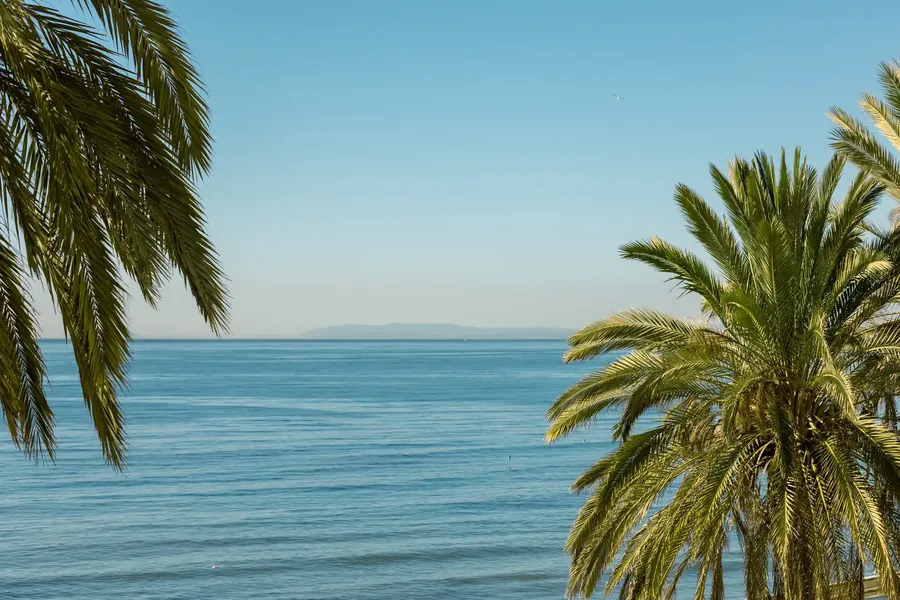
Palms · 7 min read
The Palm Belt: where palms grow, and what it tells you about the weather
Palms are picky. Draw a line around the places they survive outdoors and you have drawn a map of where a beach holiday works. This is the map behind everything on Palmiana.
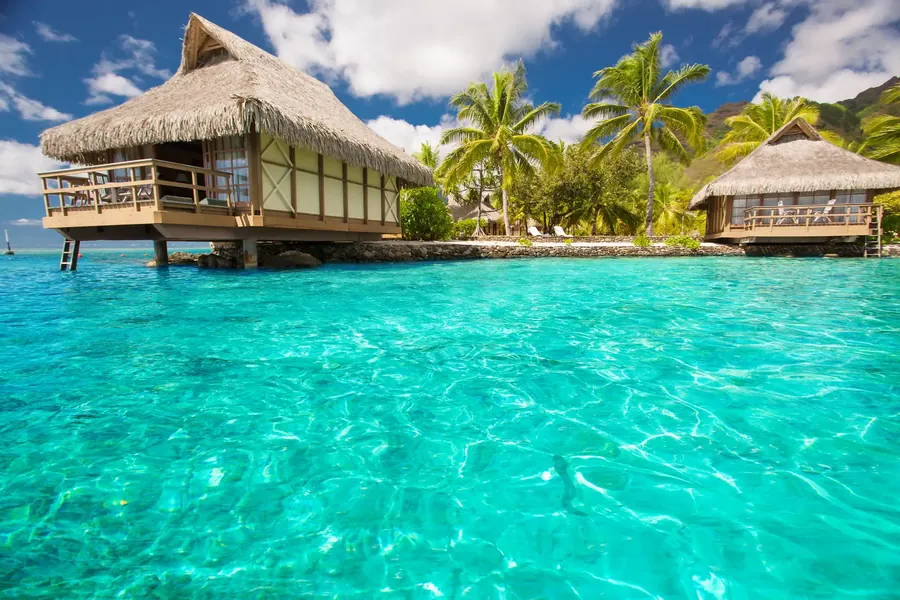
Guide · 6 min read
Overwater bungalows, explained
Maldives, Moorea, Bora Bora and the copies. What you actually get for the money, and when a beach villa is the better choice.
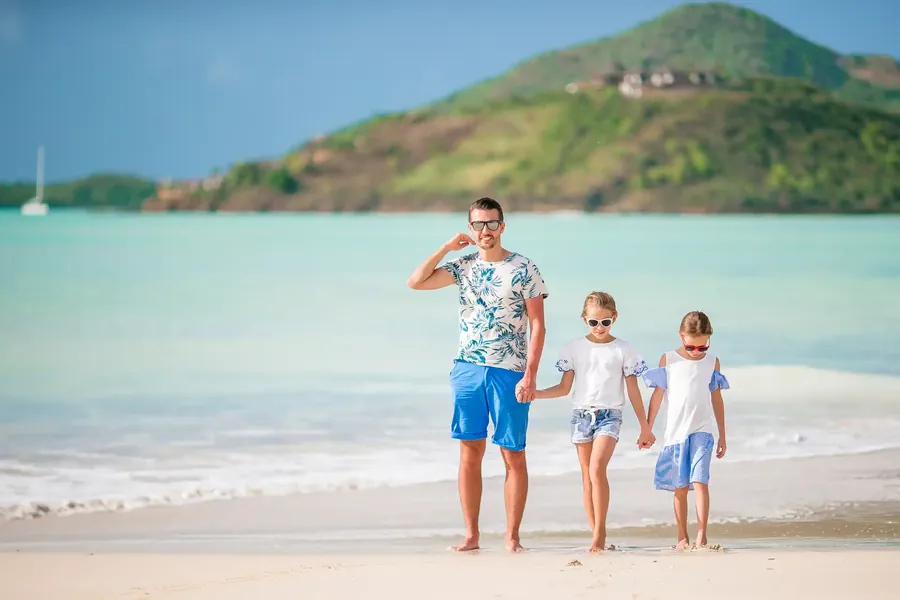
Families · 7 min read
Long haul with kids: the flight, the jet lag and the first two days
Twelve hours in a metal tube with a four year old is survivable, and the jet lag is beatable if you use the sun. A plan that works for the Indian Ocean and the Caribbean.