Europe · Spain, Canary Islands
Tenerife
Eternal spring: 22 degrees in January, a volcano to climb and the palm that is named after the islands.
Tenerife is a mountain in the sea. Teide, Spain’s highest peak, splits the island into a green, cloudy north and a sunny south, and you can drive from banana plantations to a lunar crater in an hour. The beaches are black or imported gold, the water is 20 degrees in winter, and the trade winds keep the heat civilised. It is the surest winter sun in Europe.
The palm: Canary Island date palm
Phoenix canariensis is native only to these islands and is the emblem of the Canaries. On La Gomera its sap is still tapped for palm honey. The palm you see in half the world’s hotel gardens started here, and the wild groves in the ravines of Anaga and the west are the real thing.
When to go
Sights
Teide National Park
A cable car to 3,555 metres, then a permit-only path to the summit. Stars at night are among the clearest on earth.
Anaga mountains
Laurel forest on ridges above the sea in the north east, with hamlets and a black sand beach at Benijo.
La Orotava
Balconied mansions, a botanical garden of tropical trees and the Corpus Christi sand carpets in June.
Los Gigantes cliffs
Six hundred metre walls of rock dropping into the sea on the west coast, best from a boat.
Beaches
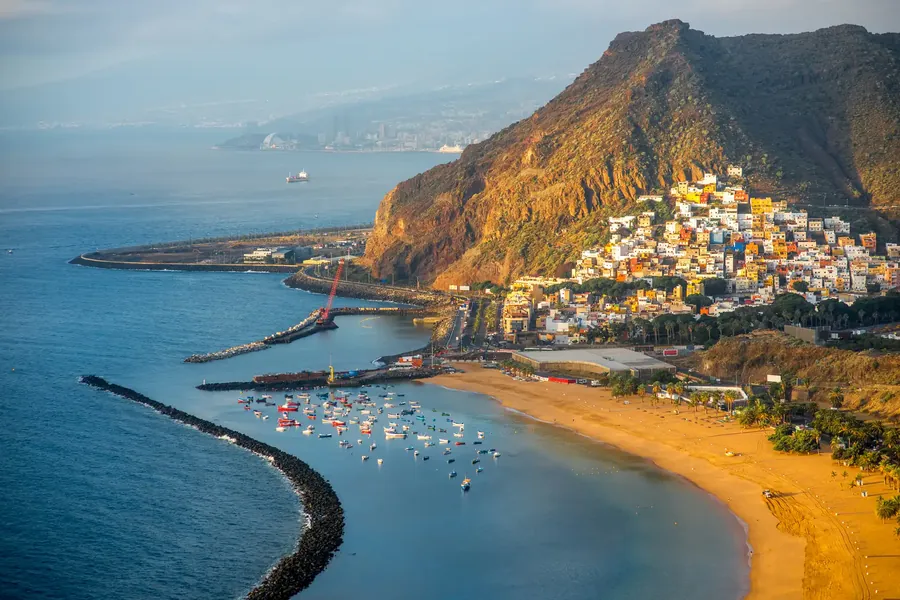
Las Teresitas
Saharan sand, palms, calm water and the mountains of Anaga behind. The city beach of Santa Cruz.
Playa del Duque
Costa Adeje’s manicured beach with loungers, restaurants and the calmest water in the south.
Playa Jardín
Black sand designed by César Manrique in Puerto de la Cruz, with gardens and a view of Teide.
Events
- Feb
Carnival of Santa Cruz
Second only to Rio, a month of parades, murgas and the burial of the sardine.
- Jun
Corpus Christi carpets
La Orotava lays carpets of coloured volcanic sand and flowers through the streets.
- Aug
Romería de San Roque
Ox carts, folk costume and free wine in Garachico on 16 August.
For remote workers
A comfortable month: about €1,800
The Canaries run on EU rules with Spanish prices and no winter. Santa Cruz and Puerto de la Cruz have coworking spaces and a mixed crowd of surfers, developers and retirees; the south is warmer, drier and more resort. Flights to Europe are frequent and four hours long.
Compare as a baseFor families
Las Teresitas has a breakwater that keeps the Atlantic out, Playa del Duque in the south has lifeguards and loungers, and the island keeps children busy with Loro Parque, the Siam water park and whale watching from Los Cristianos. Sunscreen matters: the sun sits high all year.
Rank for your familyThree things to know
- The south (Reina Sofía) airport is the one for resorts; the north airport is closer to Santa Cruz and La Laguna.
- Rent a car: the Teide road, Anaga and Masca are the island, and buses are slow.
- Eat papas arrugadas with mojo at any guachinche, the informal restaurants in the wine country of the north.
Stories from here
Palms · 7 min read
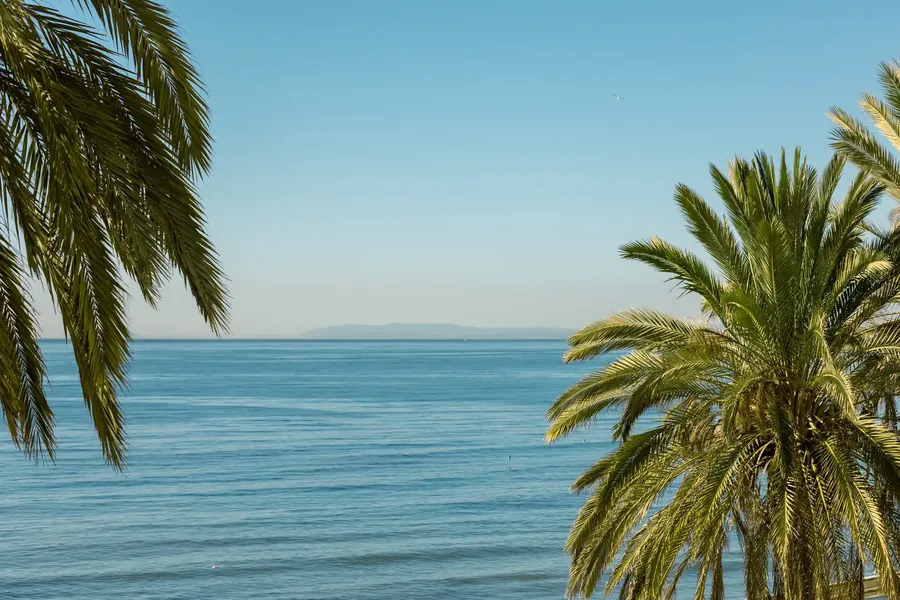
The Palm Belt: where palms grow, and what it tells you about the weather
Palms are picky. Draw a line around the places they survive outdoors and you have drawn a map of where a beach holiday works. This is the map behind everything on Palmiana.
Planning · 9 min read
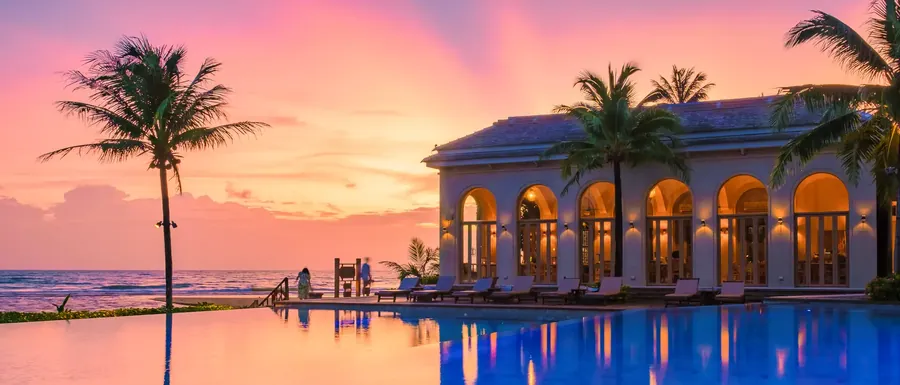
The twelve month sun planner
Where to go for reliable warmth in each month of the year, from the Canaries in January to the Riviera in September.
Palms · 6 min read
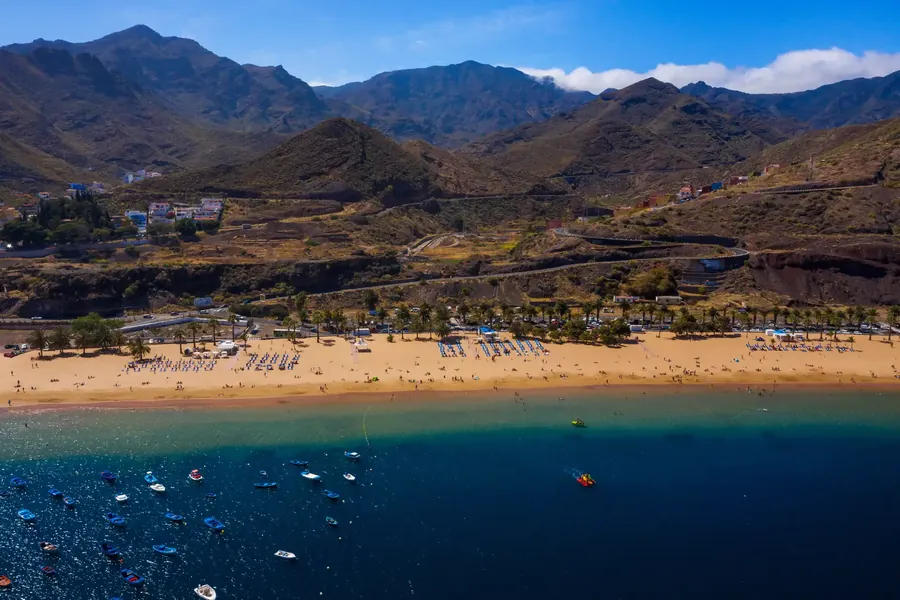
Europe’s palm groves: sun without the long flight
Elche, Vai, the Riviera, the Canaries. The corners of Europe where palms grow in numbers, and why they are the easiest warm holidays on the map.